The 3 Second Rule
The 3 Second Rule
Most packaging is designed to look good. Very little is designed to survive the first three seconds.
People do not study packaging.
They scan. Compare. Decide.
In those first few seconds, a pack has three jobs:
ATTENTION. CLARITY. DESIRE.
The 3 seconds
One. Two. Three.
Attention. Clarity. Desire.
Three seconds. Three questions.
We use The 3 Second Rule to look at packaging from the shopper’s point of view rather than the designer’s.
Because a beautiful pack can still disappear.
A distinctive pack can still confuse.
And a clear pack can still give people no reason to want it.
For packaging to work, all three need to happen.
Attention
Does it make you stop?
Before anyone can understand the product, they need to notice it.
Attention comes from visual priority. Colour, contrast, structure, typography, imagery and the ability to stand apart from everything around it.
If nobody notices it, nothing else matters.
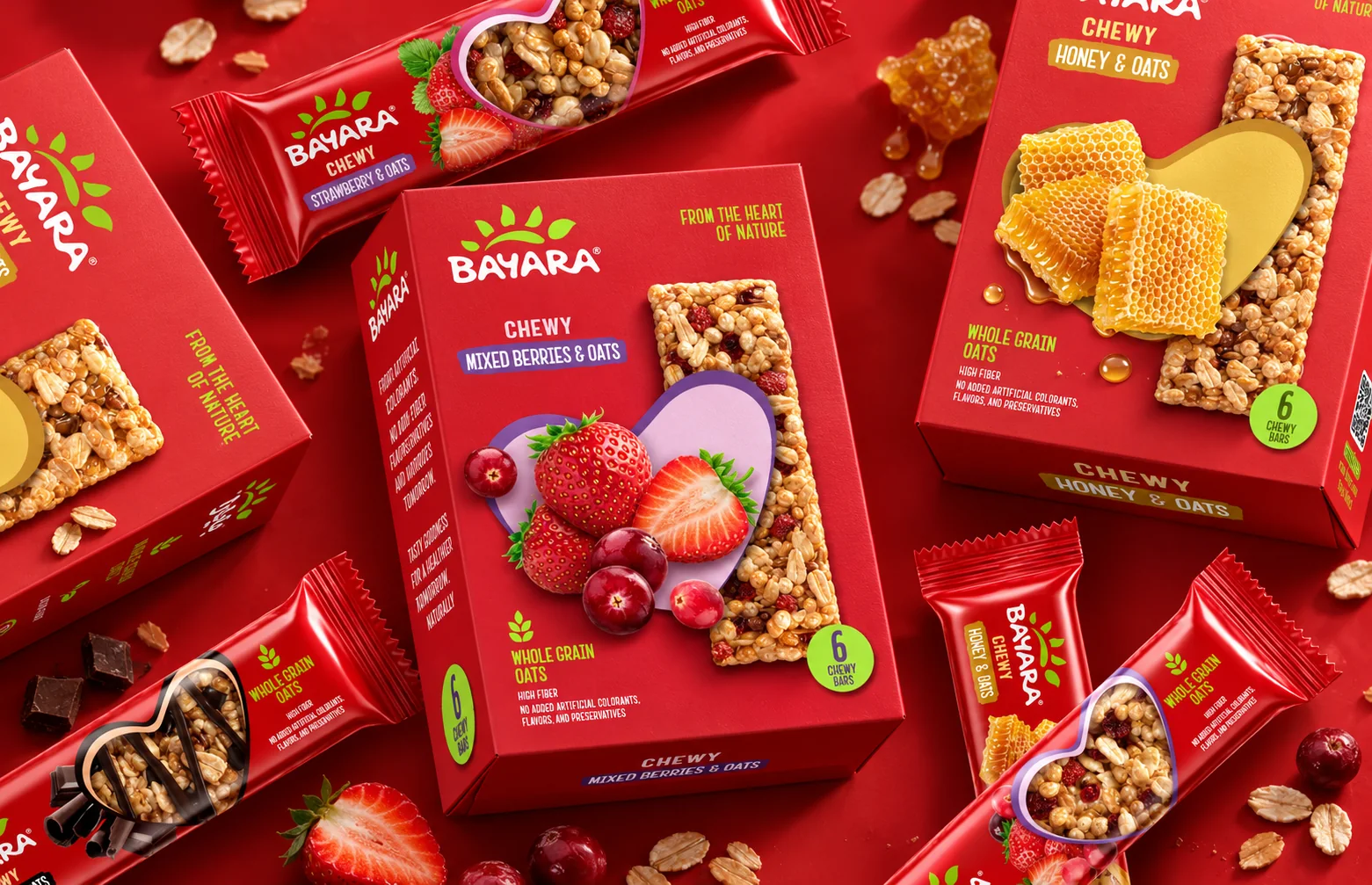
Clarity
Do people understand it?
Once you have attention, the pack has to make sense.
What is it?
Who is it for?
What is the benefit?
Why should it matter?
Clarity is about hierarchy. Deciding what people need to understand first.
If people have to work it out, you are already losing time.

Desire
Does it make you want it?
Being noticed and understood is not enough.
The product still needs to feel worth choosing.
Desire can come from appetite, trust, excitement, reassurance, performance or simply the feeling that this product is right for you.
Attention gets you seen. Clarity gets you understood. Desire gets you chosen.
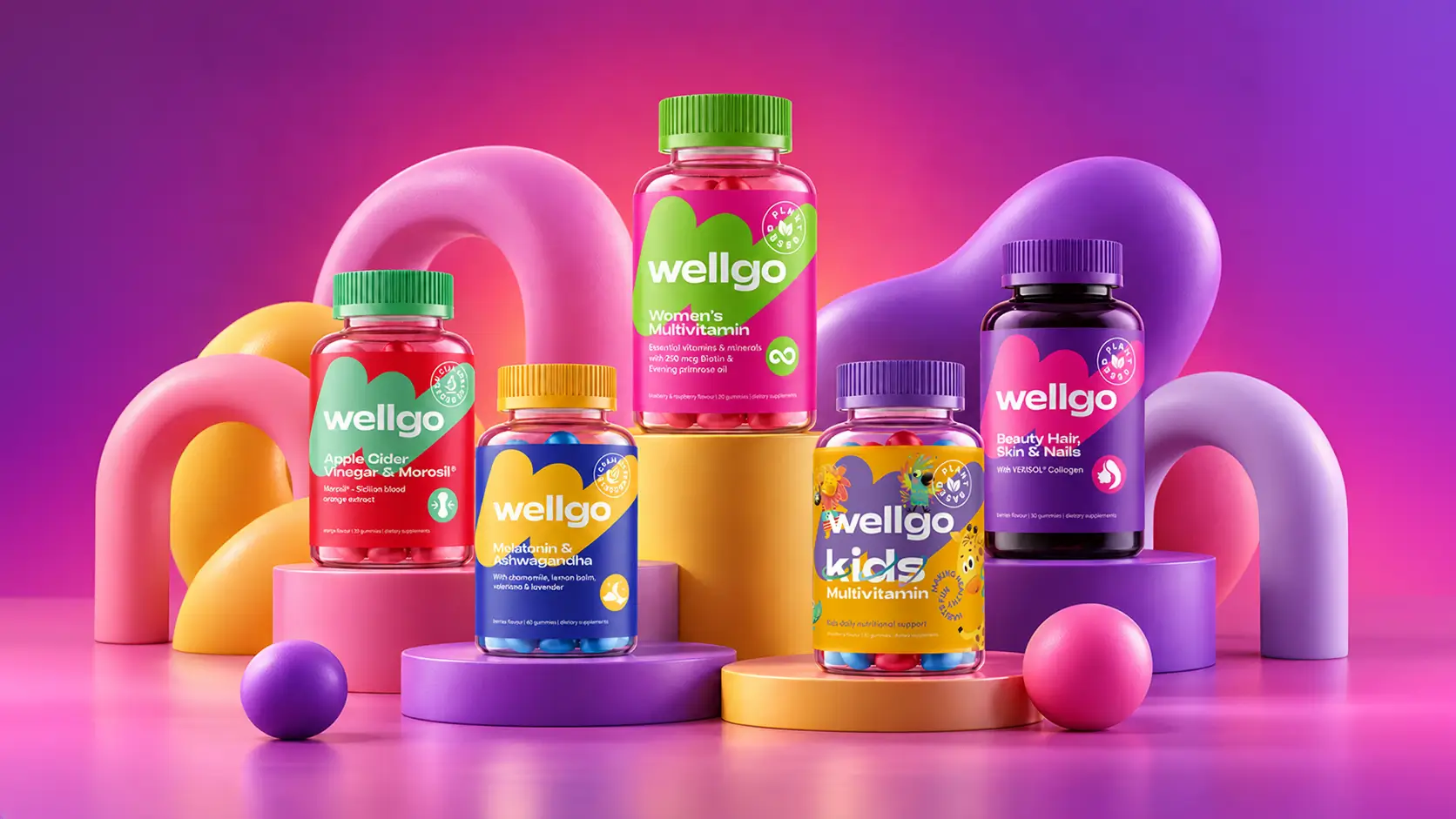
Attention without clarity is noise. Clarity without desire is information. Desire without attention is invisible.
How we use it
The 3 Second Rule is how ZERO11 evaluates and develops packaging.
We look at three things:
- Attention
- Does it earn the first look?
- Clarity
- Is the product immediately understood?
- Desire
- Is there a reason to choose it?
It helps us identify where packaging is working and where it is losing people.
Designers see design. Shoppers see a decision.
Packaging isn’t the last part of the strategy.
It’s where the strategy has to work.